
Industrial abrasive application guide
From first cut
to final gloss.
A practical guide to cotton buffing wheels, flap discs and cutting wheels — organized around the material, geometry and finish your process requires.
WANHU / APPLICATION HANDBOOK / 01
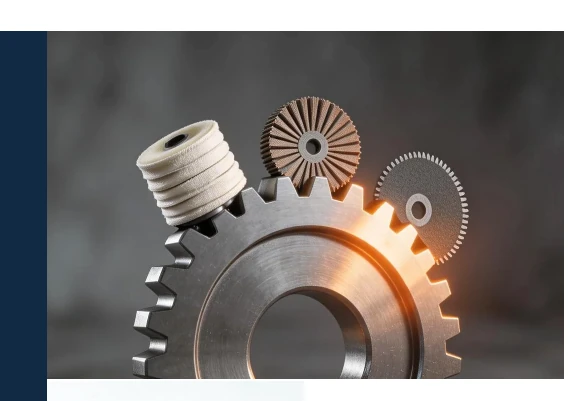
A factory view of the finishing line
Choose by process,
then specify the tool.
Inspired by the structured handbook supplied with this project, this guide connects three stages of industrial finishing. Product photographs identify the WanHu range; process photographs show typical working contexts.
One connected process
Separate.
Prepare.
Refine.
Separate the material
Use a cutting wheel selected for the workpiece and machine to cut stock, profiles or pipe.
Shape the surface
Use a flap disc to remove weld height, burrs, rust or coating and establish an even surface.
Develop the finish
Use the appropriate cotton buffing wheel and polishing compound to move from refinement toward a high-gloss finish.
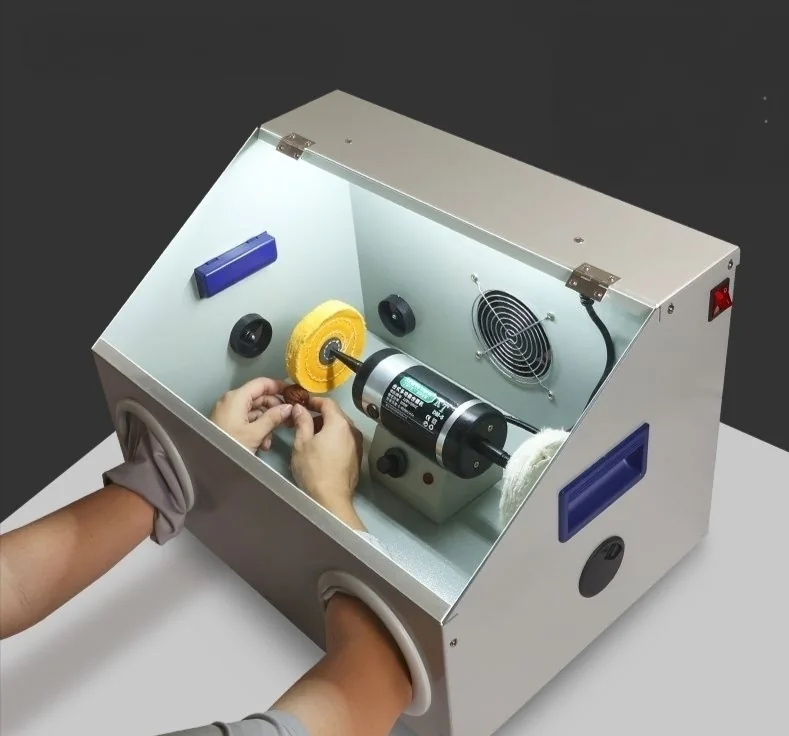
Flexible contact for controlled surface refinement.
Precision polishing
Cotton buffing wheels
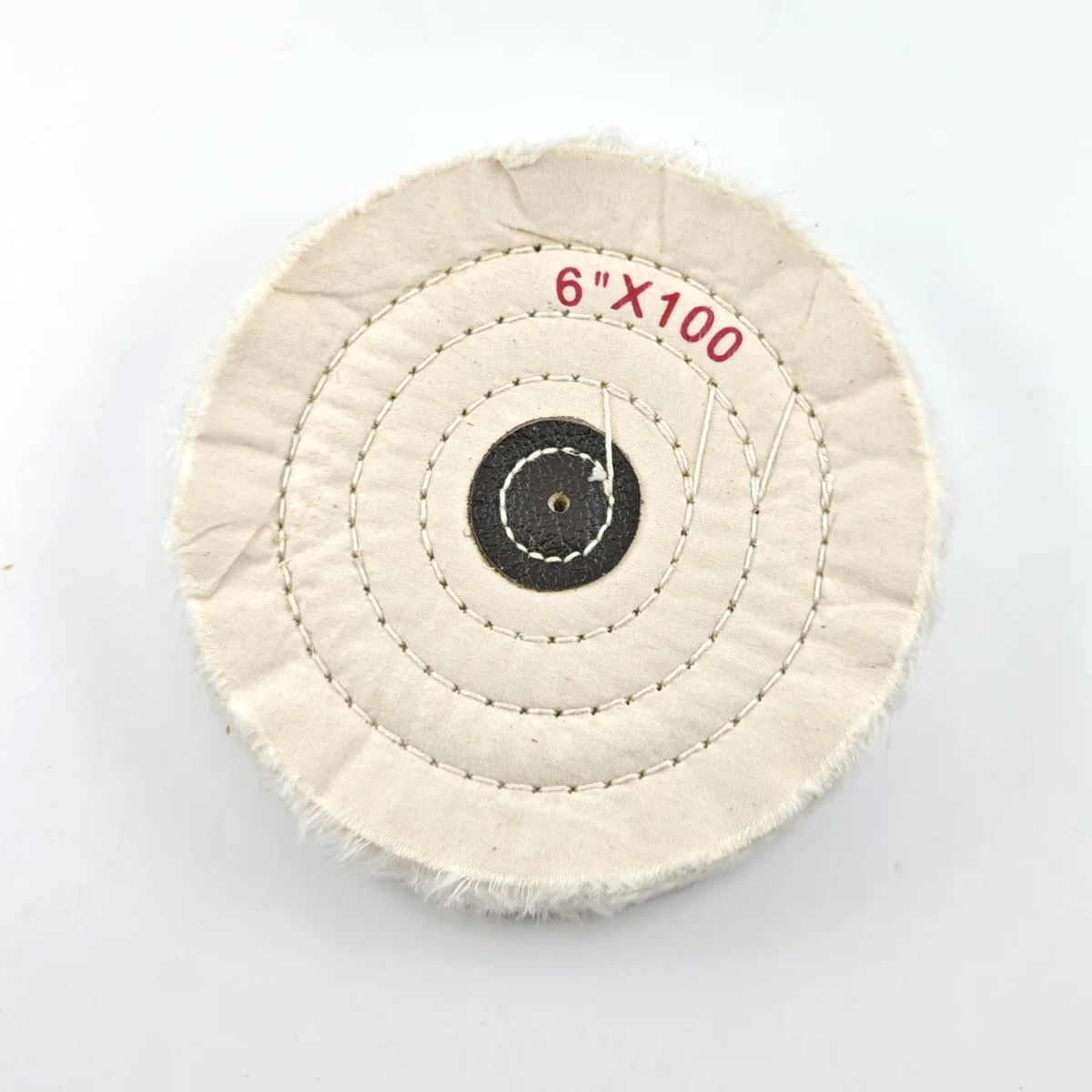
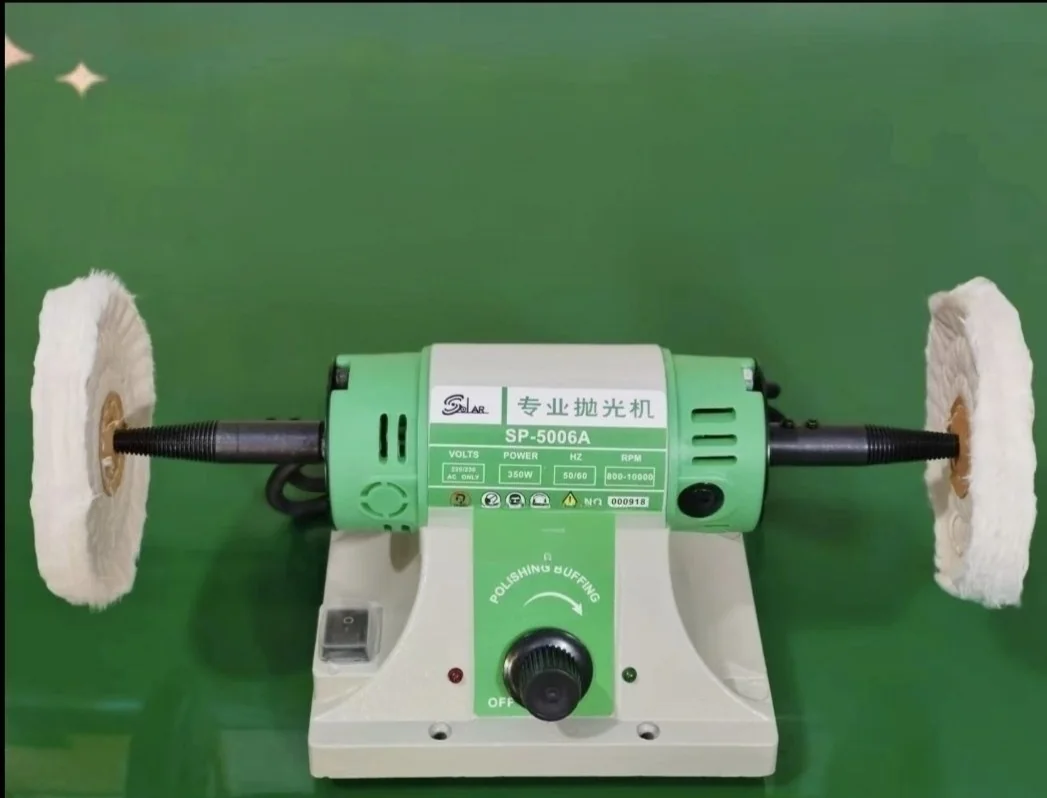
Layers of cotton cloth are stacked, sewn or bonded into a flexible polishing tool. Used with polishing compound, the wheel refines metal and non-metal surfaces from defect removal through high-gloss finishing.
Flat buff
A flat construction for even polishing contact across larger planar workpieces.
Sewn buff
A more structured wheel for efficient polishing, with flexibility for curved or shaped surfaces.
Fine finishing buff
A soft, fine-cloth format intended for the final stage of a bright or mirror-like finish.
Selection logic
Lower-hardness wheels for softer metals such as aluminium and copper; higher-hardness wheels for stainless or carbon steel.
More structured sewn wheels for initial polishing; softer flat or fine-finishing wheels for final refinement.
Flat wheels for planar work; flexible constructions for curves, contours and irregular shapes.
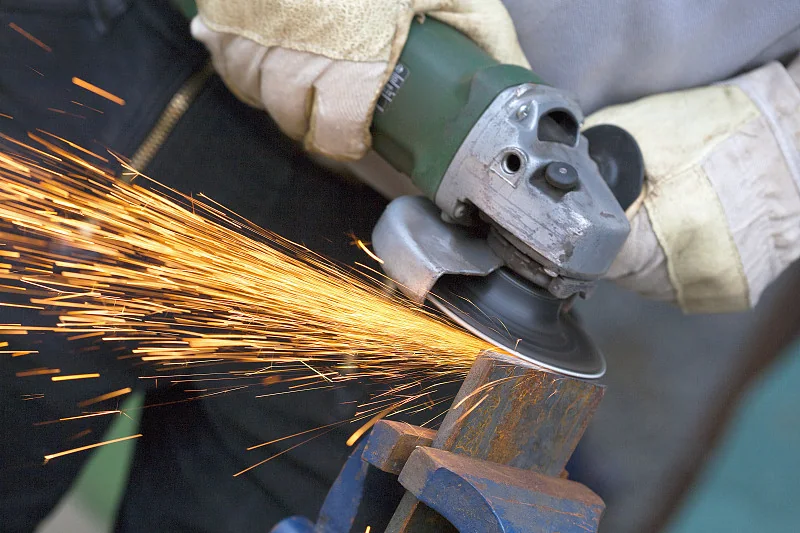
Coated abrasive performance with adaptable contact.
Efficient grinding
Flap discs
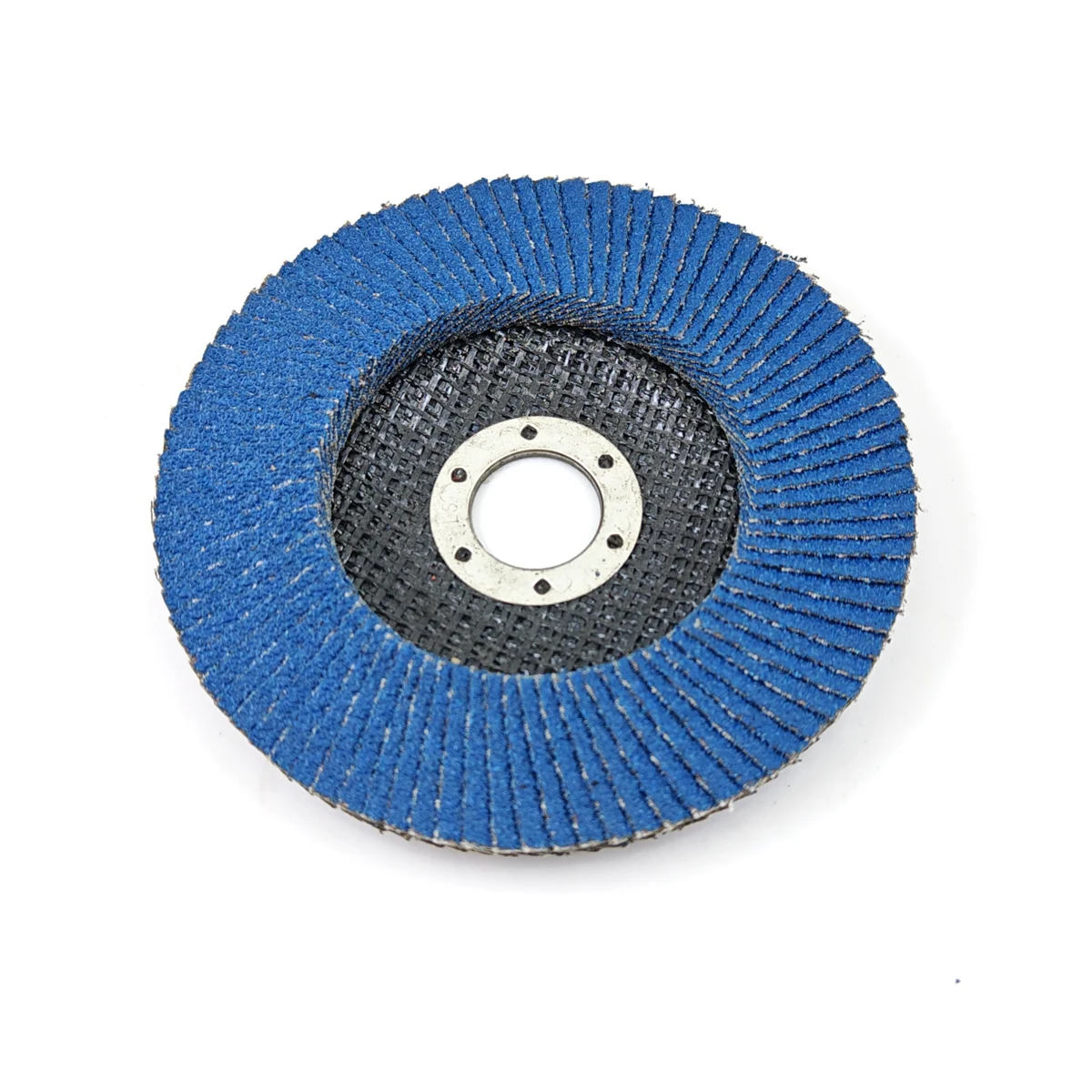
A flap disc bonds overlapping abrasive-cloth flaps to a plastic or metal backing. The construction combines rigid grinding action with the adaptability of abrasive cloth, supporting heat dissipation and consistent surface contact.
T27 flat
For stable contact on broad, flat areas: surface grinding, rust removal and deburring.
T29 conical
For curves, grooves and contours: weld treatment, shaped workpieces and edge work.
Choose the grit for the stage
Fast stock removal, initial weld grinding and heavy burr removal.
A balance of removal and finish for chamfering, scale removal and general surface preparation.
Pre-polishing preparation for a finer, more uniform surface.
Abrasive and backing choices
For general carbon steel and cast iron work.
For demanding work on stainless steel, titanium alloy and other harder materials.
Self-sharpening abrasive for high-efficiency, longer-life precision grinding.
Select backing flexibility, rigidity or ventilation around the surface and grinding load.
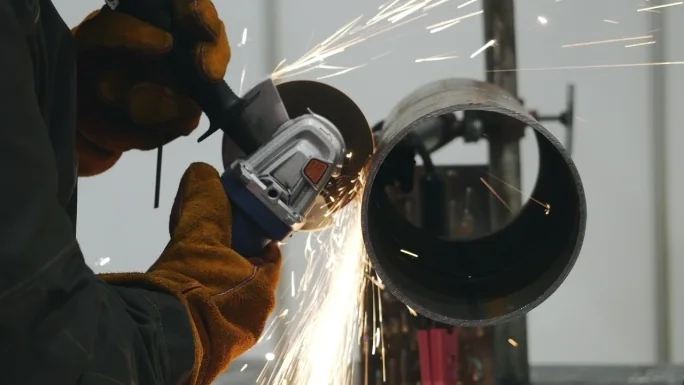
Controlled separation begins with machine and material compatibility.
Precise separation
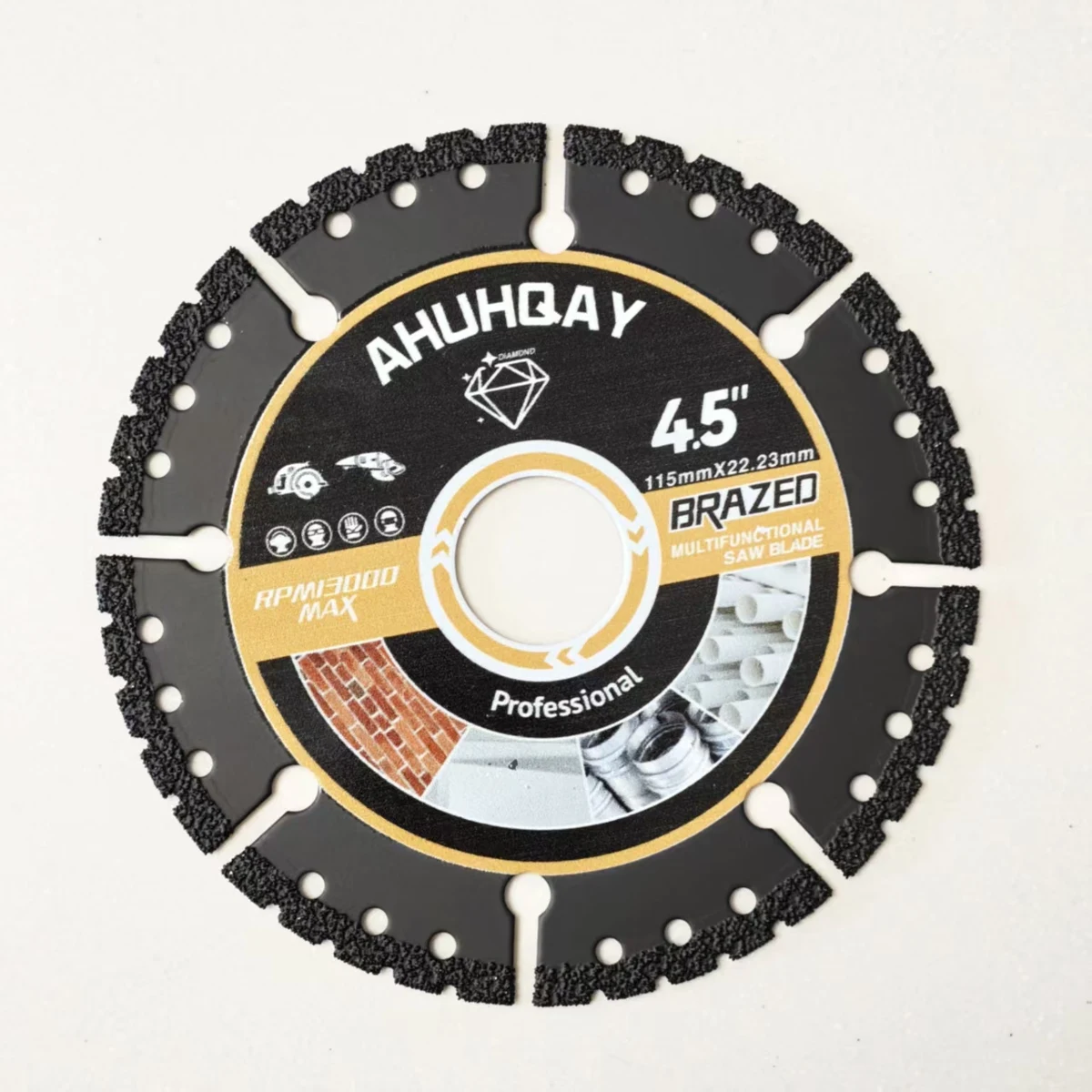
Cutting wheels
A cutting wheel is a thin abrasive wheel made from abrasive grain, bond and reinforcing mesh. At operating speed, it separates materials in metal fabrication, construction work and material processing.
Resin-bonded
Elastic and impact resistant for compatible high-speed cutting of metals and selected non-metal materials.
Diamond
For hard, brittle materials such as stone, concrete, tile, glass and ceramic.
Use the exact dimensions and operating limits marked on the selected product. Ask WanHu to confirm availability for your order.
For metal profiles, steel, aluminium and other compatible materials where a clean, controlled cut is required.
For stone, concrete, tile, glass and ceramic materials that require high hardness and wear resistance.
Choose the wheel diameter, bore, thickness and speed rating from the marked product specification.
Quick selection guide
Start with the operation.
Product selection becomes clearer when the production goal comes first.
Do you need to separate the material?
For cut-off and stock separation, begin with a cutting wheel compatible with the material and machine.
Does the surface need heavy preparation?
For rust, burrs, weld height and stock removal, choose a flap-disc construction and grit for the task.
Is the target a refined or bright finish?
For fine surface refinement and high gloss, match a cotton buffing wheel with the polishing stage and compound.
Process comparison
Three tools.
Three distinct jobs.
| Decision factor | Cotton buffing wheel | Flap disc | Cutting wheel |
|---|---|---|---|
| Core function | Fine polishing and high-gloss finishing | Grinding, deburring and weld cleanup | Profile cutting and material separation |
| Contact | Flexible, follows the workpiece | Semi-rigid, controlled stock removal | Rigid, high-speed separation |
| Best stage | Final refinement | Surface preparation | Initial cutting |
| Key selection inputs | Material, geometry, finish and compound | Material, grit, shape and backing | Material, dimensions, bore and speed rating |
Safe operation
Check before
the machine starts.
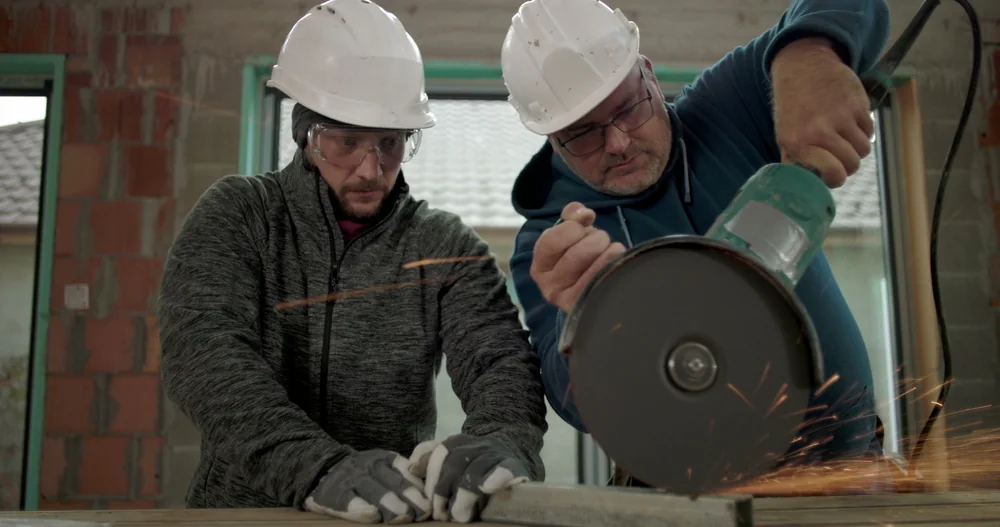
Product selection and safe operation must follow the product marking, machine manual and workplace risk assessment.
- 01
Wear appropriate PPE
Use suitable eye, face, respiratory, hearing and foot protection. Secure long hair and remove loose clothing and jewelry.
- 02
Inspect tool and machine
Check for cracks or damage, verify speed and size compatibility, confirm guards and power leads are sound, and secure the flange.
- 03
Start under control
Run the tool unloaded for 3–5 seconds to detect abnormal vibration. Maintain a stable stance and controlled two-hand grip where the machine design requires it.
A better recommendation starts with a better brief
Tell us what happens at the workpiece.

WanHu combines cloth-wheel manufacturing knowledge with coordinated abrasive supply. Share these six inputs and our team can discuss a more relevant product and sample path.